Sourcing the wrong sockets can lead to fire hazards and product recalls. This risks your brand's reputation and customer safety. Knowing the right plastics is your first defense.
The best plastics for electric sockets are Polycarbonate (PC) and Urea-Formaldehyde (UF). These materials offer excellent flame retardancy and high impact strength. This combination is essential for ensuring both safety from electrical fires and long-term durability against physical damage, making them the industry standard.
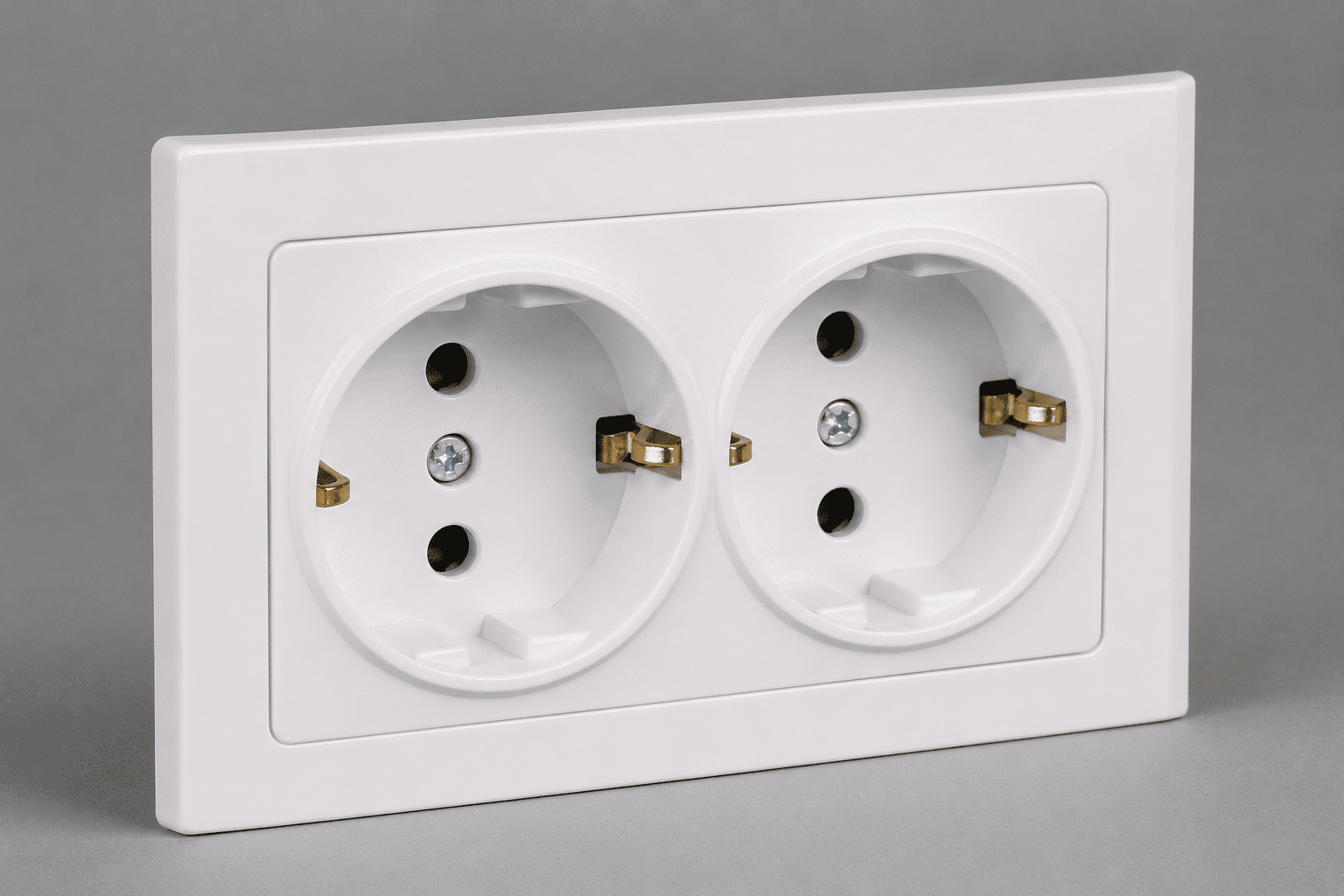
Now you know that PC and UF are the go-to materials. But that's just the beginning. As a procurement manager, you need to understand why these are the best choices and, more importantly, how you can be sure you're getting what you paid for. Let's dive deeper into the properties that really matter and how you can verify them yourself.
Why is flame retardancy the most critical feature for socket plastics?
A tiny electrical spark inside a wall can become a major disaster. Sockets made from flammable plastic can easily ignite, causing house fires and catastrophic damage.
Flame retardancy is crucial because it stops a fire before it starts. If an electrical fault like a short circuit occurs, a flame-retardant plastic will self-extinguish. It won't act as fuel for a fire, which is the most important safety feature a socket can have.
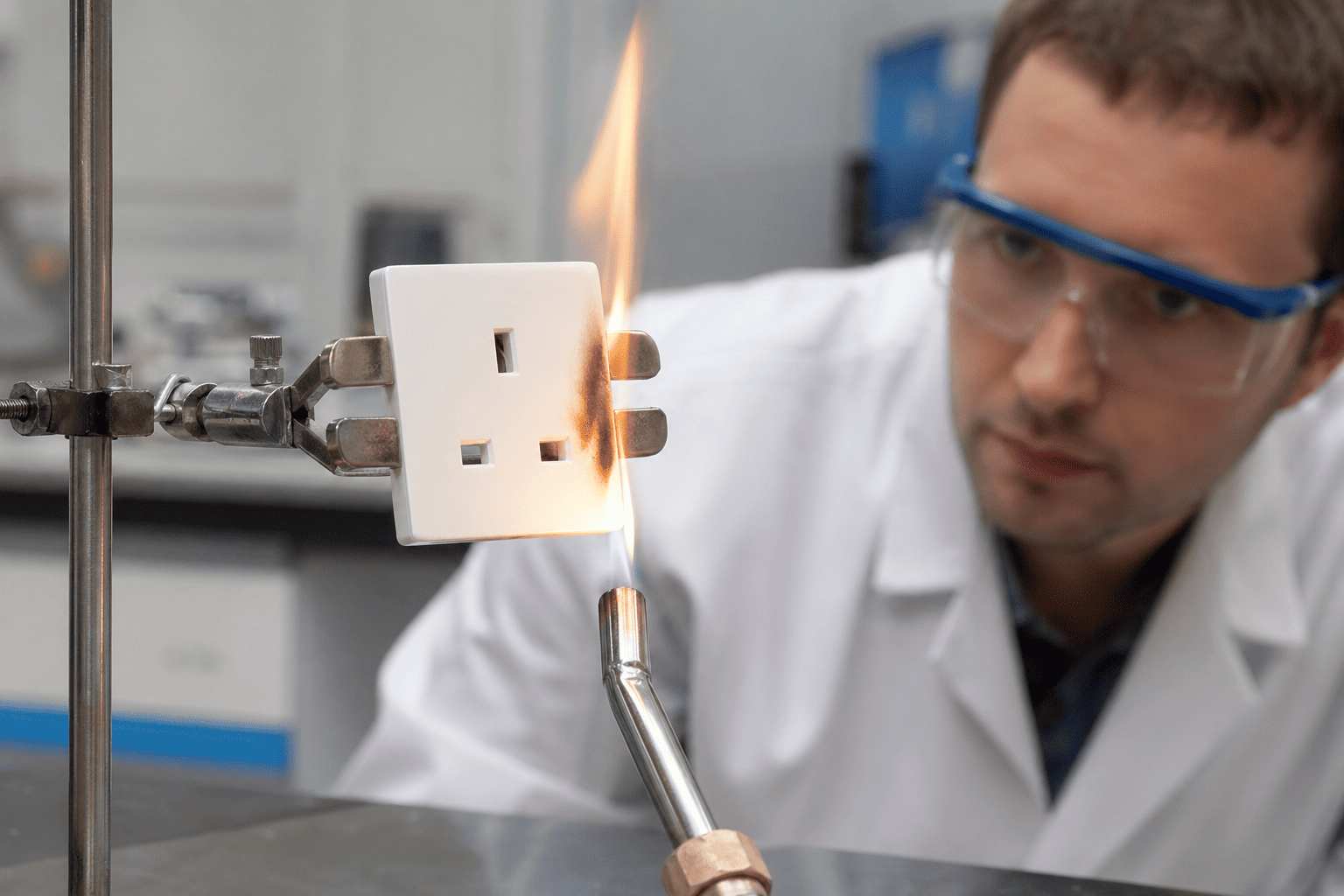
When I talk to brand managers, I always stress this point: flame retardancy is non-negotiable. An electrical socket is a gatekeeper for high-voltage electricity in our homes and offices. Faults happen. Wires get loose, or appliances draw too much current. These events create intense heat. If the plastic housing can't resist that heat and flame, it becomes the first fuel for a fire. That's a risk no reputable brand can afford to take.
Understanding Flame Retardant Ratings
To standardize safety, the industry uses ratings like the UL94 standard. This test classifies how plastic responds to a flame. The highest rating for enclosures like sockets is typically V-0.
| UL94 Rating | Burning Behavior |
|---|---|
| V-0 | Burning stops within 10 seconds; no flaming drips |
| V-1 | Burning stops within 30 seconds; no flaming drips |
| V-2 | Burning stops within 30 seconds; flaming drips allowed |
A V-0 rating means the material is highly resistant to ignition and will quickly self-extinguish. This is what you should always look for.
The Glow Wire Test
Another critical test is the Glow Wire Test (IEC 60695-2-11). It simulates the effect of a heated component. A wire is heated to a high temperature (e.g., 750°C or 850°C) and pressed against the plastic. The material must not ignite, or if it does, it must self-extinguish within 30 seconds. This test is vital because it mimics a real-world electrical fault more closely than an open flame. We ensure all our products pass this test at stringent temperatures.
Our Commitment to Exceeding Standards
At our factory, we don't just aim to meet these standards; we aim to exceed them. For example, while a certain standard might be fine for a home socket, we might use a plastic with an even higher flame-retardant rating for industrial or outdoor sockets where the risks are greater. This extra margin of safety is what builds a brand's reputation for quality and reliability. We believe that true safety lies in going beyond the bare minimum requirements.
How can you test the durability and strength of a socket's plastic?
You receive a shipment of sockets that look perfect on the surface. But what if they crack during installation or from a simple drop, leading to costly returns and complaints?
The easiest way to check durability on-site is a simple drop test. Drop a socket from about one meter onto a concrete floor. A quality plastic shell made from high-impact PC won't crack or shatter. This quick test instantly reveals the material's real-world toughness.
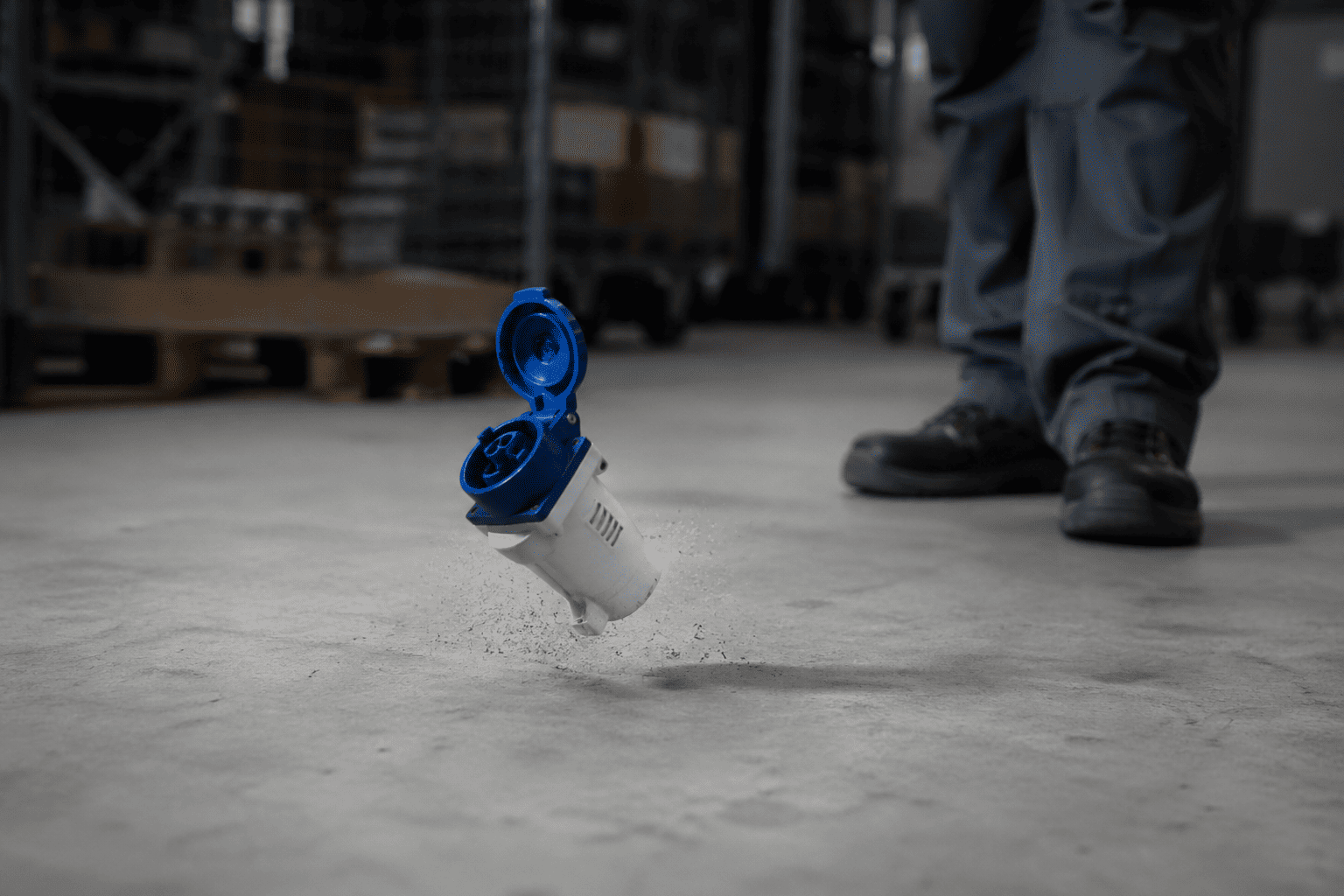
Strength and durability are just as important as flame retardancy, but for different reasons. A brittle socket can crack when a screwdriver slips during installation, or if it's accidentally bumped by furniture. A cracked casing exposes live electrical parts, creating a serious shock hazard. It also destroys customer confidence in your brand. I've seen it happen. A client once switched to a cheaper supplier and faced a massive recall because the faceplates were cracking during installation by electricians.
The Simple Drop Test
I always perform this test during inspections. It's simple, but it tells you so much. Take a few random samples from the production line. Hold them at chest height (about 1.2-1.5 meters) and drop them onto the factory's concrete floor. A well-made socket with good quality PC plastic will just bounce. You might see a small scuff mark, but there should be no cracks, no chips, and the cover should not pop off. If it shatters or cracks, you have a serious quality problem.
Formal Impact Strength Testing
In the lab, this property is measured more scientifically using tests like the Izod or Charpy impact strength tests. These tests measure the energy a material can absorb before it fractures. The results are given in joules per meter (J/m) or similar units. While you won't be running these tests yourself during an inspection, you should ask for the material's datasheet to see its specified impact strength. This gives you a technical baseline to compare different materials.
Material Matters: PC vs. UF
This is where the material choice really shows.
- Polycarbonate (PC): PC is known for its incredible impact strength. It's the same material used in things like bulletproof glass and safety helmets. It's more flexible and can withstand significant abuse.
- Urea-Formaldehyde (UF): UF is a thermosetting plastic. It's much harder and more scratch-resistant than PC, and it has a premium, ceramic-like feel. However, it is more brittle. While high-quality UF is still very strong, it's generally not as impact-resistant as PC.
The choice depends on the product's application and desired price point, but either material, when produced correctly, should easily pass a simple drop test.
Can you trust a manufacturer's test report alone?
The manufacturer sends you a perfect test report for their socket samples. But some suppliers cut corners on the bulk order, using cheaper plastic that doesn't match the certified sample.
No, you should never rely only on a test report. A report proves a manufacturer can make a quality product, but it doesn't guarantee they did for your specific order. Always combine report reviews with your own simple, on-site checks during pre-shipment inspections.
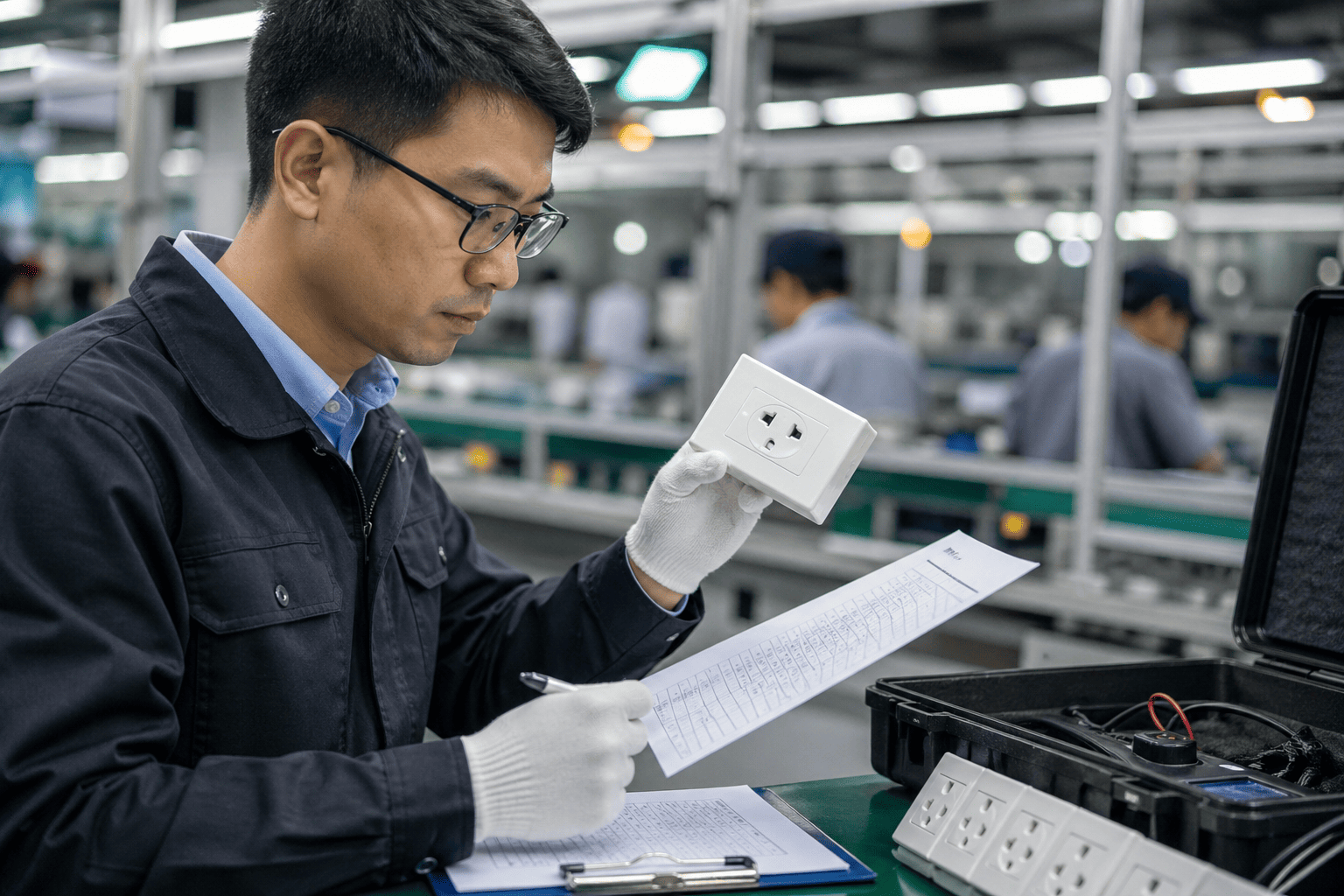
Test reports from accredited labs like TÜV or Intertek are an essential part of due diligence. They show that the product design and the specific materials used in the sample are capable of meeting international safety standards. However, my 12 years in this business have taught me a hard lesson: what you see in the report is not always what you get in the box. The biggest risk in sourcing is the "bait and switch," where a supplier uses high-grade materials for the certification samples but then substitutes cheaper, inferior materials for mass production to save costs. This is why you must become your own first line of defense.
Your Simple Inspection Checklist
During a pre-shipment inspection, you or your agent must verify the quality of the actual products being shipped. Here are the two simple, non-destructive (or minimally destructive) tests I personally use:
- The Drop Test: As mentioned before, grab a few sockets from the assembly line and drop them. Do they pass? If not, stop the shipment. It’s a clear red flag.
- The Lighter Test: This is my go-to test for flame retardancy. (Please perform this with extreme caution, in a safe, well-ventilated area away from flammable materials). I take a spare plastic part, like a backplate, and hold a lighter flame to a corner for about 10-15 seconds. A good V-0 rated material will stop burning almost instantly when you pull the flame away. It should not continue to burn on its own or drip flaming particles. If it keeps burning, the material is not what was promised.
| Verification Step | What to Do | What to Look For |
|---|---|---|
| 1. Review Report | Ask for the UL94 and Glow Wire Test reports for the specific plastic raw material used. | Confirm it's V-0 rated and passes the Glow Wire test at 750°C or higher. |
| 2. Drop Test | Drop 3-5 random units from chest height onto a hard floor. | No cracks, chips, or shattering. The unit should remain structurally intact. |
| 3. Lighter Test | (Safely) apply a flame to a spare part for 10-15 seconds and remove it. | The flame on the plastic should self-extinguish within 10 seconds with no drips. |
We build trust with our clients through transparency. At GOODTOP, we encourage our clients to visit our factory. They can walk down any of our 12 production lines, pick any product, and perform these tests themselves. We stand by our quality because we use the right materials, every single time.
Conclusion
For safe sockets, choose flame-retardant and strong plastics like PC or UF. More importantly, always verify a manufacturer's claims with your own simple drop and flame tests.